WHAT DO CHEMICAL PEELS DO FOR THE SKIN?
Rated among the top 5 aesthetic treatments, chemical peels are one of the most effective skin treatments for tackling dullness, acne, pigmentation, and signs of ageing. But what do skin peels do exactly, and are they ideal for everyone?
This guide explains everything you need to know, including what a chemical peel is, chemical peel preparation, chemical peel aftercare, what to expect after a chemical peel, and the benefits and considerations to keep in mind.
What Is a Chemical Peel?
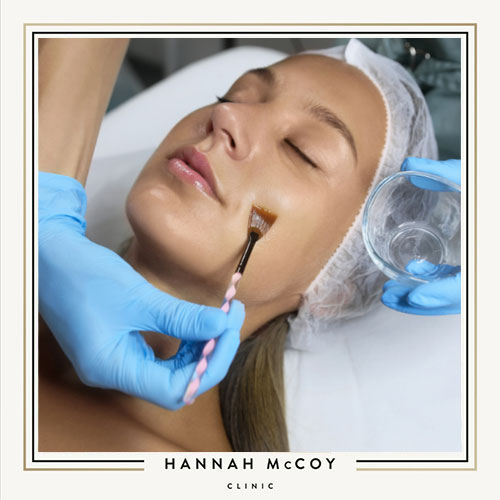
A chemical peel is a professional skin treatment that uses a special solution to exfoliate the top layers of your skin. The peeling solution often contains ingredients like glycolic acid, lactic acid, salicylic acid, mandelic acid, trichloroacetic acid, and phenol.
The solutions used in skin peels help to resurface your skin by triggering your skin’s natural healing response and encouraging fresh new skin to grow. There are three main types of chemical peel treatments, which include:
- Light chemical peels
- Medium chemical peels
- Deep chemical peels
What Do Chemical Peels Do for the Skin?
So, what do chemical peels actually do for the skin? Essentially, chemical peels can help:
- Exfoliate dead skin cells and unclog pores
- Brighten the overall tone and fade dark marks
- Reduce acne and smooth out post-acne scars
- Improve fine lines and rough skin texture
- Trigger collagen production for firmer and plumper skin
Light, medium, and deep chemical peels each offer different benefits depending on your skin concerns. Here's how the different types of chemical peels work and what they do for the skin.
1) Light Chemical Peels
Light chemical peels are gentle treatments that exfoliate the top layer of skin. They brighten dull skin, improve texture, and help with mild acne or uneven tone.
Common chemicals of a light peel include glycolic acid, lactic acid, salicylic acid, and mandelic acid. These peels have little to no downtime and are suitable for most skin types.
2) Medium Chemical Peels
Medium chemical peels penetrate deeper into the skin to reach the middle layers. They help treat fine lines, moderate sun damage, and acne scars more effectively than light peels by using trichloroacetic acid (TCA).
The recovery for medium peels typically takes longer than light peels, and some redness or peeling is expected.
3) Deep Chemical Peels
Deep chemical peels go into the lower layers of the skin for more dramatic results. They use a strong chemical solution known as phenol to address deep wrinkles, severe sun damage, and heavy pigmentation.
Deep skin peels need significant downtime and should be performed under medical supervision.
Benefits and Considerations of a Chemical Peel
Before booking a chemical peel, make sure you’re aware of the benefits and considerations:
| Benefits of a Chemical Peel | Considerations of a Chemical Peel |
|---|---|
| Clearer and brighter skin that looks fresher and more even | Some redness or flaking is completely normal after treatment |
| A reduction in fine lines and early signs of ageing | You might need recovery time with medium or deep skin peels |
| Smoother skin tone and texture with less visible pigmentation | Your skin will be more sensitive to the sun, so you will need to wear SPF |
| Fewer breakouts and clearer pores for oily or acne-prone skin | Not all skin peels are right for everyone, so professional advice is important, especially if you have sensitive or darker skin |
| Faster skin cell turnover, which supports long-term skin health |
Are Chemical Peels Good for Your Skin?
Chemical peels are exceptionally good for your skin, especially if your skin concerns include dullness, uneven tone, clogged pores, fine lines or scarring, and pigmentation from acne. Even a light and gentle peel can make a noticeable difference in how your skin feels and looks.
To experience the best results from a chemical peel, choose the right peel for your skin and trust a professional to apply it. It’s also essential to follow the proper before and aftercare.
How To Prepare for a Chemical Peel
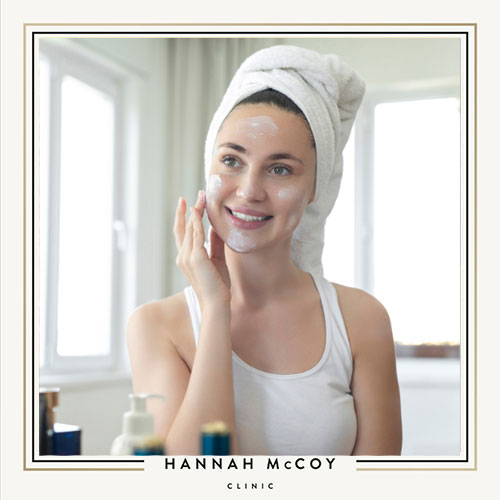
Properly preparing for a chemical peel can help you get the best results and avoid harsh irritation, like extreme skin burning. Here are a few simple preparation steps to take before your chemical exfoliation appointment:
- Stop using active skincare products like retinol or exfoliating acids around five to seven days before your peel
- Avoid sun exposure and tanning in the week leading up to treatment
- Do not exfoliate at home
- Avoid face scrubs or harsh face masks
- Keep your skin hydrated with a gentle cleanser and moisturiser
- Let your skincare practitioner know about your skincare routine and any medication you are taking
What Happens to Your Skin After a Chemical Peel?
Straight after your chemical peel, you might feel a slight tingling or burning sensation. It is also common to experience some redness or tightness, a little bit like a mild sunburn.
A few days after treatment, your skin will likely begin to flake and peel. This is normal and shows that your skin is renewing itself. Peeling usually starts around day three and may last up to a week, depending on the strength of your peel.
Once the peeling stage is over, you will start to notice smoother, healthier-looking, and glowy skin underneath.

How To Care For Your Skin After A Chemical Peel
Good aftercare makes a big difference to your results and how your skin will recover. For optimal results, follow these post-chemical peel aftercare tips:
- Do not pick or peel your skin, as this can cause irritation or scarring
- Use a gentle non-active cleanser and moisturiser while your skin heals
- Keep your skin well hydrated to support the healing process
- Wear SPF every day, even indoors, as your skin will be more sun-sensitive
- Avoid heat, sweating, or steam for the first two days after your treatment
- Try not to wear makeup for at least 24 to 48 hours to let your skin breathe
Are Chemical Peels Bad for Your Skin?
Chemical peels are not bad for your skin when they are done correctly. They are actually very safe and effective when performed by trained professionals who know what is best for your skin type. Issues like irritation or dryness tend to happen when people overuse peels or choose one that is too strong.
A chemical peel is good for your skin when it is tailored to your unique needs and skin type, has the right preparation, and is followed up with the right aftercare.
Refresh Your Skin With a Chemical Peel
If you want brighter, smoother, more confident skin, then a chemical peel could be just the right rejuvenating skin treatment for you. At Hannah McCoy Clinic, we offer tailored treatments at our clinics in Liverpool, London, and the Isle of Man.
Our chemical peels are part of a wide range of bespoke aesthetic treatments designed to help you feel your best. Check out some of our advanced treatments, including:
Each treatment is expertly delivered using the latest techniques to ensure safe and beautiful results that beat your expectations. We also offer flexible 5% finance options to make your experience even more accessible.
Ready for a chemical peel glow? Book your free consultation today or contact our friendly team to discuss your needs.
FAQs About Chemical Peels
Are chemical peels good for skin with acne?
Yes. Salicylic acid peels are especially helpful for acne-prone skin because they help to control oil production and reduce inflammation.
How long does it take to heal after a chemical peel?
It usually takes around one to seven days to recover after a chemical peel. Your recovery time will depend on the type of chemical peel you have had and your body's natural healing ability.
How often can you get a chemical peel?
Light skin peels are safe every four to six weeks. Medium skin peels are usually done a few times a year. Deep skin peels are typically once a year or less.
Can I wear makeup after a chemical peel?
After a chemical peel, wait one to two days before wearing makeup, especially if your skin is peeling or flaking.
Are chemical peels good for pigmentation?
Yes, chemical peels are great for pigmentation as they can help fade sunspots, melasma and dark marks left by acne over time.
Is a chemical peel safe for sensitive skin?
Yes, chemical peels can be safe for sensitive skin when using milder acids like lactic and mandelic. These ingredients aren’t as harsh on the skin and are therefore better for sensitive skin.
Are chemical peels good for dark skin?
On the whole, darker skin is more likely to experience hyperpigmentation compared to lighter skin types. However, some light and medium peels that contain ingredients like glycolic, salicylic, and sometimes trichloroacetic acid may be suitable for darker skin tones. Always consult a professional.